Too often, we take bladder health for granted, at least until an infection or unexpected incontinence starts to develop. These bladder complications can lead to pain or difficulty urinating, frequency in urination or accidental “leaking.” The good news, is that by taking an active role in the health of your bladder, you can avoid future bladder problems. We’ll discuss several ways you can improve your bladder’s health, but first we’d like to talk a little more about the bladder in general.
Your bladder—which is a key part of your urinary tract—is a muscular sac located in your pelvis, just above and behind your pubic bone. When it’s empty, the bladder is about the size and shape of a pear. After urine is made in the kidneys, it travels through two tubes called ureters for storage in the bladder. Your bladder is lined by layers of muscle that stretches to hold the urine (the normal capacity of the bladder is about 400-600 mL). When you urinate, these muscles squeeze together and two sphincters (valves) open to let the urine flow into the urethra, which then carries the urine out of the body.1
When Things Go Wrong
Normally, your bladder operates normally. But sometimes harmful bacteria can cause a bladder infection. Another common issue is incontinence due to an overactive bladder or a weakening of bladder muscles. The good news is that there are a few simple things you can do to head off these bladder hiccups.
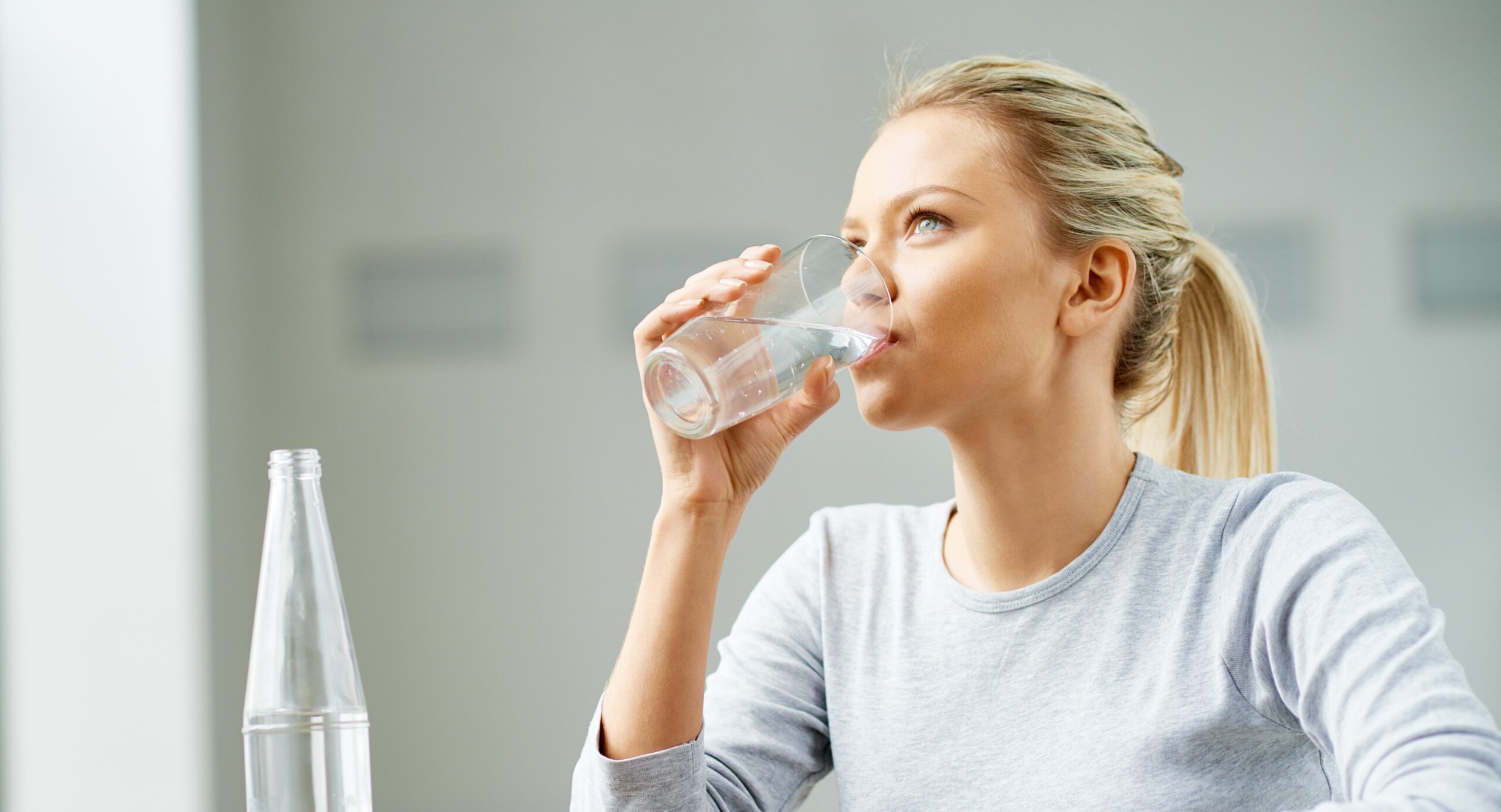
Drink water. Staying hydrated is critical for a healthy bladder. Aim to drink half your body weight in ounces each day. Drinking water throughout the day helps to dilute urine and prevent kidney stones. Not drinking enough fluids throughout the day can cause your urine to become highly concentrated, dark yellow in color, foul smelling, and can ultimately irritate the bladder. This can cause you to use the bathroom more frequently and also affects your ability to control your urine. Not drinking enough water also causes dehydration, which encourages the growth of bacteria. This can trigger a urinary tract infection (UTI) or the formation of stones in the urinary tract.
Eat your veggies. Adding more vegetables to your diet is great for many reasons, one of which is improved bladder health. Vegetables like kale and cauliflower are high in vitamin C and calcium to support kidney function while corn and potatoes are high in magnesium which can encourage your bladder to fully empty when you urinate. If you struggle with getting your recommended five servings of veggies per day, consider adding a high-quality powdered green drink mix. For the most benefit, look for one containing barley grass, wheat grass, brown rice, chlorella, and kelp, to really pack a healthy punch.
Pelvic muscle floor exercises. Pelvic floor exercises, also known as Kegel exercises, can help to hold urine in the bladder.2 Daily exercises can strengthen your pelvic floor muscles which can help keep urine from leaking when you sneeze, cough, laugh, or have a sudden urge to urinate. These exercises may also help to prevent UTIs by strengthening the muscles that help empty the bladder.3
Protect your urinary tract with probiotics. Bladder infections are the most common type of UTI and can occur when bacteria enter the urinary tract through the urethra and begin to multiply in the bladder. Unfortunately, UTIs can often pop up repeatedly, particularly due to a lack of estrogen during menopause, incomplete bladder emptying, anatomical issues, diabetes, genetics, or incomplete antibiotic treatment. Luckily, taking proactive steps can help prevent UTI recurrence—and, according to recent studies, one of the most effective steps involves a daily dose of probiotics.
In one double-blind, placebo-controlled study of 174 premenopausal women with frequent UTIs, those taking a probiotic experienced a significant drop in UTI frequency.4 An earlier study found that supplementing with a lactobacillus probiotic prevented the adherence, growth, and colonization of harmful bacteria (typically E. coli) in the bladder, thus reducing the odds of infection.5 For the best results, research suggests searching out a shelf-stable probiotic that provides both Lactobacillus and Bifidobacterium strains.
Consider cranberry
If you’re still plagued by stubborn UTIs, consider adding a cranberry extract to your probiotic supplement. Like probiotics, cranberry extract prevents E. coli from sticking to bladder tissue where it can proliferate if left unchecked. It also changes the pathogen’s surface molecules, decreasing the severity of those pesky E. coli strains.6 Just make sure your cranberry supplement contains 100% cranberry fruit extract, and doesn’t include any solvents, preservatives, sugar, water, or added flavorings. Better yet, look for a supplement that combines both probiotics and cranberry extract for an extra powerful punch against future UTIs.
Avoid Bladder Irritants
One last tip. Certain foods and fluids can irritate the bladder. This can cause an overactive bladder, leading to leakage, as well as increased urgency and frequency. To support the health of your bladder, it helps to avoid spicy foods, citrus fruits, caffeine, vinegar, and alcohol when possible.7 Try to cut these from your diet or dilute them with water to reduce the impact on your bladder. If going cold turkey is too challenging, consider avoiding these possible bladder irritants for one week to see if it has a favorable impact on your bladder. Then gradually add one of these foods or drinks back into your diet every two to three days, noting any changes in urinary urgency, frequency, or incontinence.
Although bladder problems are not likely to come up over a brunch conversation with friends, they are more common than you might think. Applying these science-backed tips can be a great first step in maintaining bladder health.
References
- The urinary tract and how it works. National Institute of Diabetes and Digestive and Kidney Diseases. 2020. Available at: https://www.niddk.nih.gov/health-information/urologic-diseases/urinary-tract-how-it-works
- Abu Raddaha AH, Nasr EH. Kegel exercise training program among women with urinary incontinence. Healthcare (Basel). 2022;10(12):2359.
- Khamis EA, Abdelaziz E, Hemdan G. Effect of Kegel exercises on the recurrence of lower urinary tract infection in multiparty. Evidence-Based Nursing Research. 2020;1(4):10.
- Gupta V, Mastromarino P, Garg R. Effectiveness of prophylactic oral and/or vaginal probiotic supplementation in the prevention of recurrent yrinary tract infections: A randomized, double-blind, placebo-controlled trial, Clinical Infectious Diseases. 2024;78(5):1154-61.
- Akgül T, Karakan T. The role of probiotics in women with recurrent urinary tract infections. Turkish Journal of Urology. 2018;44(5):377-83.
- Hisano M, Bruschini H, Nicodemo A, et al. Cranberries and lower urinary tract infection prevention. El Sevier Clinics. 2012; 67(6): 661-7.
- Almutairi S. Dietary influence on bladder pain syndrome: A systematic review. Cureus. 2024;16(9):e69437.
This article is for informational purposes only. This article is not, nor is it intended to be, a substitute for professional medical advice, diagnosis, or treatment and should never be relied upon for specific medical advice.
Share this Post